Rethinking oil refining: Why producers should go retail
 At first glance, the idea that oil-producing nations should refine their own crude and sell it directly to consumers seems like common sense. It’s a straightforward proposition: reduce the number of hands in the supply chain, cut down on transportation risks, and streamline the process from wellhead to gas pump. But beyond the surface-level logic lies a deeper, more urgent rationale—one shaped by environmental concerns, shifting geopolitical dynamics, and the tightening grip of regulatory regimes in the West. At first glance, the idea that oil-producing nations should refine their own crude and sell it directly to consumers seems like common sense. It’s a straightforward proposition: reduce the number of hands in the supply chain, cut down on transportation risks, and streamline the process from wellhead to gas pump. But beyond the surface-level logic lies a deeper, more urgent rationale—one shaped by environmental concerns, shifting geopolitical dynamics, and the tightening grip of regulatory regimes in the West.
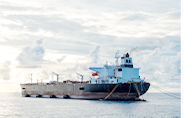
From an environmental standpoint, the case is compelling. Transporting crude oil across oceans and continents carries significant risk. Spills are catastrophic, not just for ecosystems but for public trust in the energy sector. By refining oil closer to the source, producers could ship smaller quantities of finished products like gasoline, diesel, and aviation fuel—substances that are easier to handle and pose less environmental danger. This shift could dramatically reduce the likelihood of large-scale spills and the associated cleanup costs and reputational damage.
Yet, critics of this approach point to the vast infrastructure already in place across North America and Western Europe. These regions boast decades-old refining networks, deeply embedded in their economies and energy systems. Moreover, oil-producing states—particularly those in the Middle East and parts of Africa—have historically shown little interest in entering the refining business. Their focus has been on extraction and export, leaving the complex and capital-intensive refining process to others.
But what was true in the past may no longer hold in the present. The global energy landscape is undergoing seismic shifts. Regulatory environments in the West are becoming increasingly restrictive, narrowing the types of fuels that can be bought and sold. Environmental standards, carbon taxes, and emissions caps are making it harder for traditional refineries to operate profitably. In contrast, some oil-producing nations—outside the jurisdiction of Western regulators—have more flexibility to innovate and adapt.
This regulatory divergence opens a window of opportunity. As fuel costs rise and travel declines, the world is slowly adjusting to a future of reduced mobility. Airlines are cutting routes, shipping is consolidating, and consumers are driving less. In response, corporate concentration in the energy sector has intensified, with fewer players controlling larger shares of the market. But this consolidation also creates vulnerabilities—monopolistic pricing, reduced competition, and diminished innovation.
Oil-producing states could disrupt this trend by entering the refining and retail space themselves. They wouldn’t need to match the scale of existing refineries in Houston or Rotterdam. Instead, they could focus on producing a broader range of retail-ready petroleum products in smaller, more agile facilities. These refineries could operate with lower overhead, fewer bureaucratic hurdles, and greater responsiveness to market demands. By offering competitive pricing and bypassing some of the red tape that plagues Western operations, they could carve out a niche in a changing global market.
This shift wouldn’t just be economic—it would be political. The rise of populist reform movements across the West is reshaping energy policy. In the United States, populism has achieved pan-governmental status, influencing decisions from Capitol Hill to state legislatures. Similar movements are gaining traction in the UK, France, and Germany, challenging the status quo and demanding more autonomy in energy sourcing and pricing. These movements are skeptical of globalism, wary of corporate monopolies, and eager to reclaim control over national resources.
If these populist waves continue to swell, they could upend traditional energy alliances and trade patterns. Oil-producing states that offer refined products directly to consumers—or to populist governments seeking alternatives—could find themselves in a position of newfound influence. They could bypass traditional intermediaries, negotiate bilateral deals, and offer energy solutions tailored to the needs of emerging political coalitions.
Of course, this transition won’t be seamless. Building refineries requires capital, expertise, and long-term planning. It also demands a shift in mindset—from extraction to value-added production. But the potential rewards are significant: greater control over pricing, reduced environmental risk, and a more resilient position in a volatile global market.
The world is at an inflection point. The old model—where oil producers extract and export, and Western refineries handle the rest—is showing signs of strain. Environmental pressures, regulatory shifts, and political upheaval are converging to create a new reality. In this context, it’s not just sensible but strategic for oil-producing nations to consider refining their own crude and selling it directly to consumers.
Whether this transformation will happen remains uncertain. But the signs are clear: the status quo is cracking, and the future of energy may well be shaped by those willing to rethink the rules. |


