How to avoid high truck delays and detention times
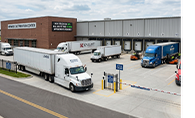 Truck detention – the idle time drivers spend waiting for their trucks to be loaded or unloaded – is one of the most persistent obstacles to efficiency in logistics. Truck detention – the idle time drivers spend waiting for their trucks to be loaded or unloaded – is one of the most persistent obstacles to efficiency in logistics.
Surveys show that drivers can lose up to 29 per cent of their potential driving time to detention, a staggering figure that undermines productivity, profitability, and morale. If fleets are to thrive in an increasingly competitive environment, tackling detention must be a priority.
Detention is costly. Fees for excess delays typically range from US$25 to $50 per hour, but can climb to $250. Beyond direct costs, detention disrupts supply chains. A driver delayed two hours at a warehouse may miss delivery windows, creating knock‑on effects for customers and partners. Frequent delays erode client satisfaction and can drive business elsewhere.
The human impact is equally serious. Drivers already face shortages in many regions. Long idle times, often unpaid, leave them feeling exploited and disengaged. This accelerates attrition and deters new entrants, worsening the labour crunch. Reducing detention is therefore not only about efficiency but also about sustaining the workforce.
Miscommunication is a leading cause of detention. Trucking companies should set expectations and rates upfront, while warehouses must share schedules and staffing levels. Early, transparent communication prevents surprises and allows all parties to plan realistically. When unexpected events arise, prompt updates help everyone adjust.
Maximise visibility with IoTThe internet of things (IoT) offers real‑time tracking of shipments. If traffic or other disruptions delay trucks, IoT alerts can help warehouses reschedule and adapt. This visibility reduces wasted time and improves planning. Fleets using IoT have cut fuel consumption and prevented spoilage, underscoring its efficiency benefits.
Routing and scheduling software, especially with artificial intelligence features, can optimise delivery paths and timetables. AI can account for traffic, delivery windows, and other variables, ensuring drivers arrive on time. Automated scheduling reduces human error and aligns pickups and drop‑offs with practical timeframes.
Warehouses often overload staff by clustering pickups at peak times. Staggering arrivals spreads workloads evenly, ensuring each shipment has adequate staff support. This reduces bottlenecks and keeps operations flowing smoothly.
Labour shortages make efficient loading difficult. Automation can help. Technologies such as automated storage and retrieval systems, guided vehicles, and palletising robots accelerate warehouse processes. By complementing human workers, automation ensures trucks are loaded faster and idle time is minimised.
Detention is not always avoidable, but it can be anticipated. Logistics firms should build buffers into schedules, allowing extra time for pickups and deliveries. This reduces the risk of cascading delays and helps avoid costly detention fees.
Even with best practices, detention will occur. Carriers should establish contingency plans for rerouting, rescheduling, and reallocating staff. Clear protocols for communication ensure stakeholders remain informed and coordinated during disruptions.
Reducing detention is about more than saving money. It strengthens supply chains, improves customer satisfaction, and supports driver retention. In a sector facing rising competition and labour shortages, these advantages are critical. Fleets that minimise idle time gain agility, resilience, and a reputation for reliability.
Technology and communication are central to this effort. IoT, AI‑driven routing, and automation provide powerful tools, but they must be paired with human discipline: clear expectations, staggered schedules, and contingency planning. Together, these measures can transform detention from an unavoidable frustration into a manageable challenge.
Truck detention is a universal problem, but it is not insurmountable. By embracing technology, improving communication, and planning proactively, logistics companies can reduce idle time and unlock efficiency. The payoff is substantial: lower costs, happier drivers, satisfied customers, and stronger supply chains. In an industry where every minute counts, tackling detention is not optional – it is essential. |